
When the master leaves: how CONO preserves half a century of cheese-making expertise
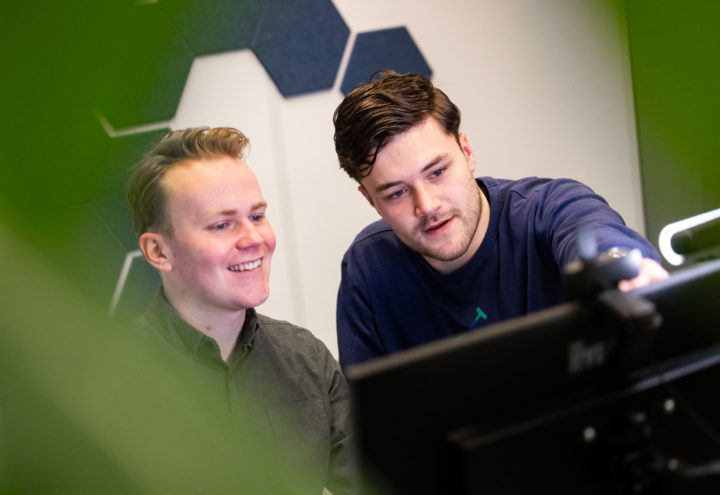
The retirement of team leader Pieter (50.5 years of experience) confronted cheese producer CONO with a major challenge: how do we ensure that the knowledge of such experienced people is retained? Arthur van Esveld, Production Manager, and Mike Koster, the new Team Leader Cheese Production, explain: “With ELICIT, every operator has autonomy.”
Cheese making, far from simple
Making cheese is anything but simple, and no one knows that better than CONO. The producer of, among others, Beemster cheese has been working on the perfect method for 125 years. “But you depend on many factors,” explains Mike Koster. “The feed for cows changes with the seasons, which leads to different milk. The climate in the factory affects your product. At the same time, time pressure is high; even half an hour of downtime shows up in the cheese. There are many fine details.”
All in the heads of a small group
Those fine details were learned by cheesemakers through practice. By observing, listening, smelling, making mistakes, and adjusting over many years. Until they knew exactly when to tweak that one specific control. Team leader Pieter was one of them. “He worked in the factory for more than 50 years,” says Mike. “Together with a few other colleagues, he knew all the ins and outs of the cheese-making process. When a deviation or malfunction occurred, colleagues would call him. So when his retirement approached, we thought: how do we retain the knowledge he built up over 50 years?”
“Pieter knew all the ins and outs of the cheese-making process. When his retirement approached, we asked ourselves: how do we retain the knowledge he built up over more than 50 years?”
Arthur van Esveld, Production Manager
Capturing knowledge with ELICIT
Production Manager Arthur van Esveld came into contact with ELICIT through Herman Ouwerkerk. “With them, we discovered that we could capture the overload of information Pieter possesses in a practically applicable way,” says Arthur.
Knowledge analyst Milou interviewed Pieter and other experienced employees about their daily way of working. Not the standard instructions, but the implicit knowledge they had built up over the years. Personal judgments, useful tricks, and the key parameters they pay attention to.
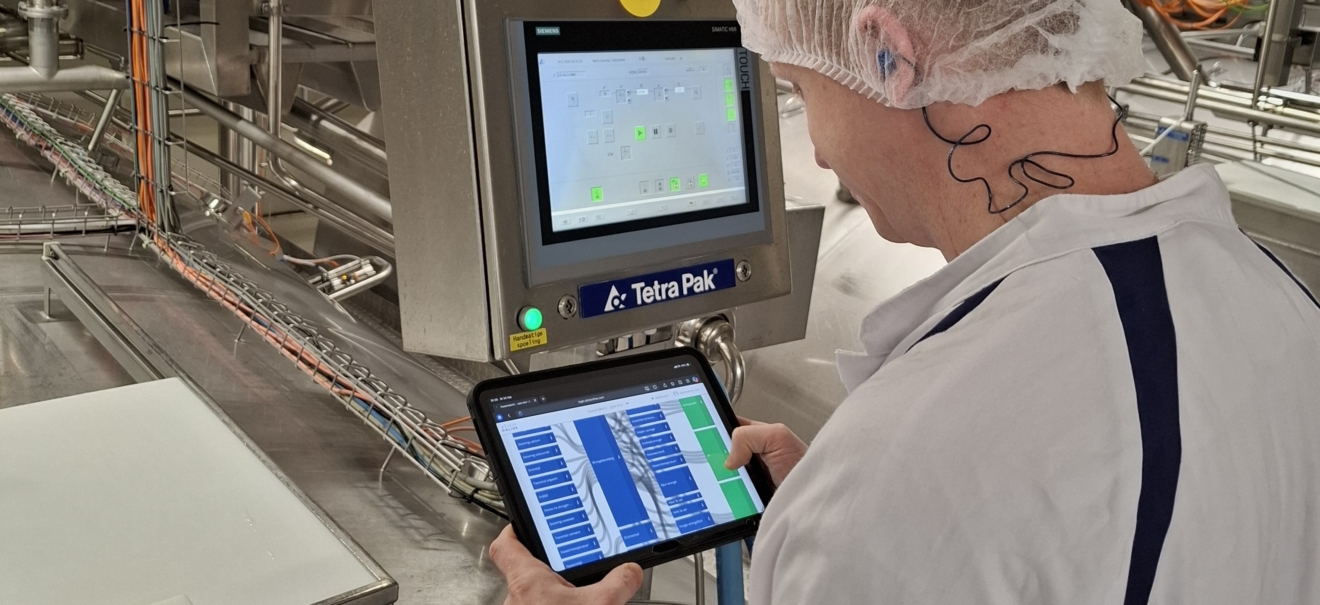
Arthur: “Milou translated this using the ELICIT method into a knowledge file: an interactive model with directly applicable knowledge for the shop floor. There were interim evaluations, with opportunities to further tailor the model. This ensured the model was well aligned with our needs and could be used immediately on the shop floor. That was immediately appreciated by the operators using it.”
First the tool, then the cultural change
till, the ELICIT model was not welcomed everywhere with enthusiasm, Arthur and Mike admit honestly. “There was some skepticism. Technologists said: ‘We’ve already written all of this down.’ Experienced operators said: ‘Yes, I already know all this.’ Others were afraid they would be replaced by a system. That’s something you have to work through.”
Some things had already been documented, but not what someone with 50 years of experience actually does in case of deviations and malfunctions. “If your milk doesn’t coagulate, what do you do when you don’t have time to dive into the manuals? The time factor makes it challenging. The ELICIT model can be used directly in practice at such a moment.”
Mike and Arthur therefore kept putting ELICIT on the agenda, explaining how the program could support operators in their daily work.
The shift followed: “The younger operators still in training saw the value immediately. The more experienced operators followed later. What stood out was that experienced people not only used the tool, but also made suggestions to improve the content. In every shift, there was at least one experienced operator doing that. People really took ownership of the process, which was great to see.”
The result: autonomy and future readiness
Hard results are still difficult to measure after just a few months, but the manager and team leader already see the first differences emerging. Arthur sees that the organization is learning. “In ELICIT, the actions for deviations are explained very clearly: in this situation, you must follow these steps. Especially in the beginning, we sometimes forgot steps or made the wrong choices because we didn’t check the system. Then we would say: if you had used the system, you would have seen that you skipped this step.”
“Operators are now also taking ownership of the process”
Mike Koster, Team Leader Cheese Production
As a result, the self-reliance of operators is increasing day by day. Mike Koster: “Operators gain autonomy. Not just the small group of knowledge holders, but everyone. Including new employees. That is extremely valuable for the future. In the coming years, we will lose even more experienced knowledge holders who have worked at CONO for decades. Then such a knowledge base becomes very useful to quickly onboard new employees.”
Next steps
Now that the pilot in the cheese-making department has proven successful, CONO is taking the next step. A knowledge model is being developed for milk processing, and the existing model in the cheese-making department is becoming data-driven. “We link live data from our systems directly to the model. This gives operators clear, actionable insights: pay attention to this parameter, it’s drifting, and it will impact your quality in this way. This allows us to take the next step: not only solving issues faster, but preventing them from occurring in the first place.”
Relevant cases

Reginox: More grip on quality
Reginox expects major changes in its workforce and the labor market leading to higher employee turnover. Experienced employees are retiring and finding new personnel is a challenge. For Reginox a reason to work with ELICIT Online on knowledge management.

Lemoine: Operators in control
Lemoine Holland is part of the Lemoine group and specializes in hygiene products. A common challenge faced by Lemoine Holland in Emst: How do I get my operators to the level where they know what, how and when to adjust?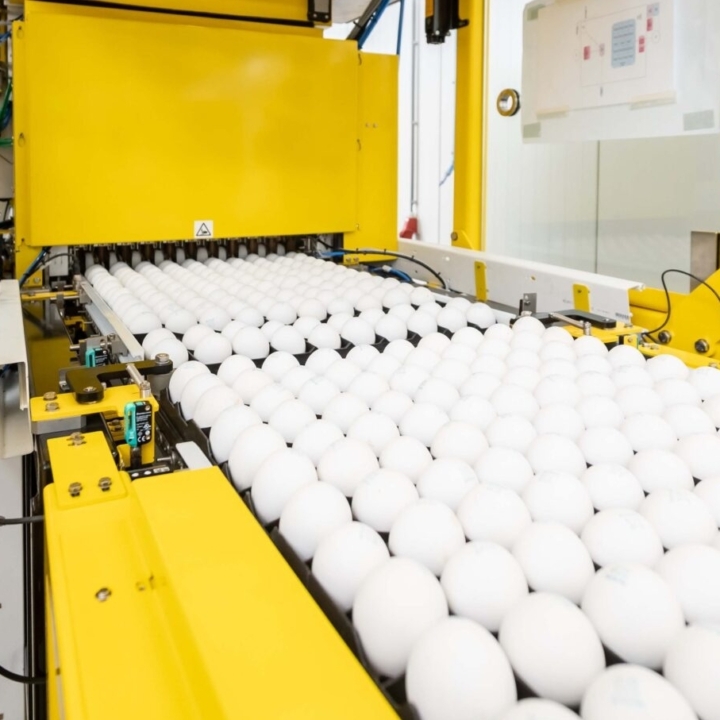
In Ovo: Standards for a global rollout
In Ovo leads the field of in-ovo sexing technology with their revolutionary machine line, Ella. This advanced system can determine the sex of fertilized chicken eggs early in the incubation process, allowing for the removal of male eggs before they develop into chicks. This innovation eliminates the need for the controversial practice of destroying live male chicks, which remains common in today's poultry industry.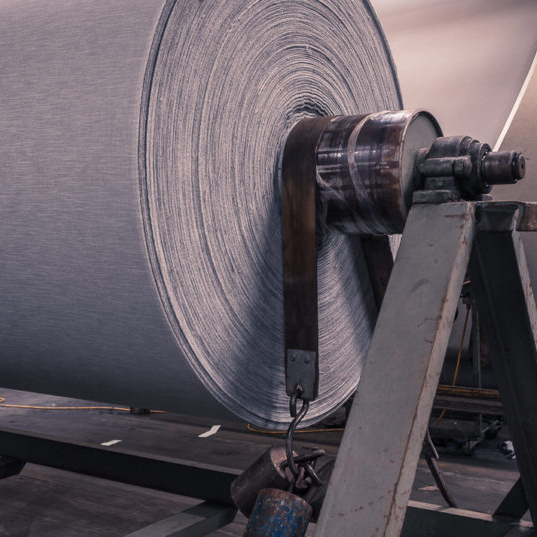

Ten Cate: Investing in efficiency and in people
The company has gone through an ambitious growth program. A large-scale improvement process with a desired output: higher delivery reliability, higher output and a more consistent product quality. In order to achieve this, better training and a higher level of knowledge among the operators is necessary. That meant only one thing: investing in efficiency and in people.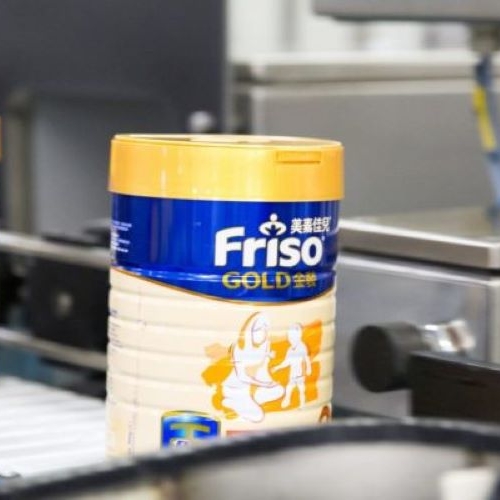

FrieslandCampina: Faster in control.
FrieslandCampina Beilen develops and produces total solutions for the infant nutrition market, ranging from loose ingredients and basic powders to complete infant nutrition, including consumer packaging.
Sharing knowledge is in our DNA